Simple Lifestyle Changes That Can Make Your Everyday Life Better
Life doesn't always need a dramatic makeover.
Sometimes, the biggest improvements come from small changes that make ordinary days feel easier, calmer, and more enjoyable.
You don't need to completely change your personality, wake up at 5 a.m., follow a complicated routine, or become obsessed with productivity.
A better lifestyle can simply mean getting enough rest, making your surroundings more comfortable, spending your time intentionally, and creating habits that support the way you actually want to live.
The challenge is finding changes that are realistic enough to maintain.
Here are some simple lifestyle adjustments that can make a noticeable difference without making your life more complicated.


1. Start Your Day Without Immediately Checking Your Phone


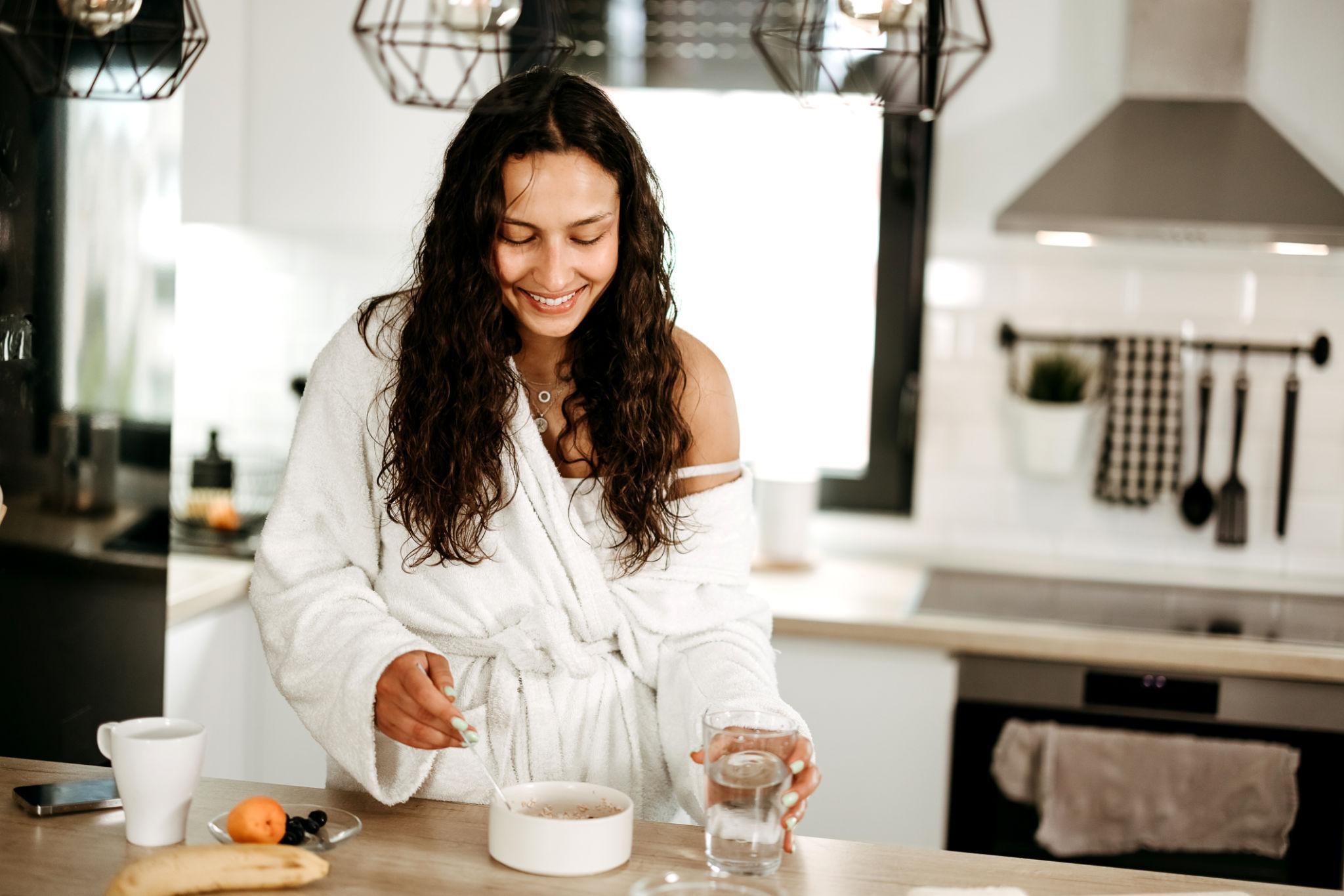
One of the easiest ways to make mornings feel less chaotic is to avoid reaching for your phone immediately after waking up.
Checking messages, social media, emails, and news can instantly fill your mind with other people's priorities.
Instead, give yourself the first 15–30 minutes of the day without notifications.
Drink water.
Open the curtains.
Make your bed.
Have breakfast.
Stretch.
Sit quietly with a cup of coffee or tea.
It doesn't need to become a complicated morning ritual.
The goal is simply to start the day before the internet starts telling you what to think about.
2. Make Your Home Easier to Live In
Your environment affects your everyday experience more than you might realize.
You don't need a perfectly minimalist home.
Instead, focus on making frequently used spaces easier to manage.
Keep everyday items accessible.
Give important things a permanent home.
Clear surfaces that constantly collect clutter.
Keep cleaning supplies somewhere convenient.
If putting something away requires five steps, you're probably less likely to do it.
Good organization isn't about making your home look like a showroom.
It's about reducing small frustrations.
A kitchen where everything is easy to find.
A bedroom that feels calm at night.
An entryway where your keys always have a place.
These tiny improvements add up.
3. Create a Better Evening Routine


Your evening routine can influence how you feel the next morning.
Instead of trying to squeeze as much entertainment and work into the final hours of the day, create a simple transition between being busy and going to bed.
Dim the lights.
Put away your work.
Prepare clothes for tomorrow.
Tidy the main room.
Take a shower.
Read a few pages of a book.
Listen to something relaxing.
The exact routine doesn't matter.
What matters is creating signals that tell your brain the day is winding down.
4. Stop Trying to Do Everything at Once
Modern life encourages multitasking.
Answer an email while eating.
Watch television while scrolling.
Listen to a podcast while cleaning.
Check messages while talking to someone.
Sometimes multitasking is useful, but constantly switching between activities can leave you feeling busy without feeling accomplished.
Try giving individual activities your full attention when possible.
If you're eating, eat.
If you're talking to someone, listen.
If you're working, focus on the work.
If you're relaxing, actually relax.
You don't have to turn every minute into a productivity opportunity.
5. Spend More Time Outside


Going outside doesn't have to mean planning a hiking trip.
A short walk around your neighborhood can be enough.
You can walk after lunch, before dinner, or during a break from work.
Outdoor time gives you a change of environment and can provide a useful break from screens and indoor routines.
Try leaving your headphones behind occasionally.
Notice the weather.
Look at the buildings.
Pay attention to trees, people, and sounds around you.
It turns an ordinary walk into a small reset.
6. Build a Simple Meal Routine
You don't need to cook elaborate meals every day.
One of the easiest lifestyle improvements is having a few reliable meals you can prepare without much thought.
Create a list of five or six meals that you genuinely enjoy.
Keep the ingredients available.
Learn a few simple recipes.
Keep healthy snacks around when you're hungry between meals.
This reduces the temptation to order food simply because you don't know what to make.
Your meals don't need to be perfect.
They need to be practical enough to repeat.
7. Protect Your Free Time


Free time is not wasted time.
You don't need to turn every spare hour into work, exercise, learning, or self-improvement.
Have hobbies that exist simply because you enjoy them.
Read novels.
Cook something interesting.
Play a game.
Garden.
Draw.
Listen to music.
Watch a movie.
Meet friends.
Doing something purely because you enjoy it is part of a balanced lifestyle.
8. Be More Intentional With Your Purchases
Before buying something, ask yourself:
Do I actually need this?
Will I use it regularly?
Do I already own something similar?
Would I still want it if I hadn't just seen an advertisement for it?
These questions can prevent impulse purchases and reduce unnecessary clutter.
You don't have to become extremely frugal.
Just become more selective.
Buying fewer things you genuinely enjoy can be more satisfying than constantly accumulating inexpensive items.
9. Make Social Connections a Priority


A busy lifestyle can make socializing feel optional.
Don't let it disappear completely.
Call someone.
Invite a friend for coffee.
Have dinner with family.
Take a walk together.
Plan something simple.
You don't need an elaborate event.
Regular small interactions can be more meaningful than waiting for the perfect opportunity to spend time together.
10. Focus on Consistency Instead of Perfection
Perhaps the most useful lifestyle change is changing how you think about habits.
You don't have to follow your routine perfectly.
Missing one workout doesn't mean you've failed.
Having an unhealthy meal doesn't ruin your eating habits.
Spending an unproductive afternoon doesn't make you an unproductive person.
A sustainable lifestyle has room for imperfect days.
The goal isn't to become a completely different person.
It's to make small choices that gradually make your everyday life easier.
Final Thought
A better lifestyle doesn't have to look impressive from the outside.
It can be as simple as having a calmer morning, a cleaner living space, better meals, more time outdoors, stronger relationships, and enough time to enjoy yourself.
Start with one change.
Make it easy.
Repeat it until it becomes normal.
Then add another.
The best lifestyle improvements are rarely dramatic.
They're the small things that quietly make ordinary days better. ✨