How to Create a More Balanced Lifestyle Without Overhauling Your Life
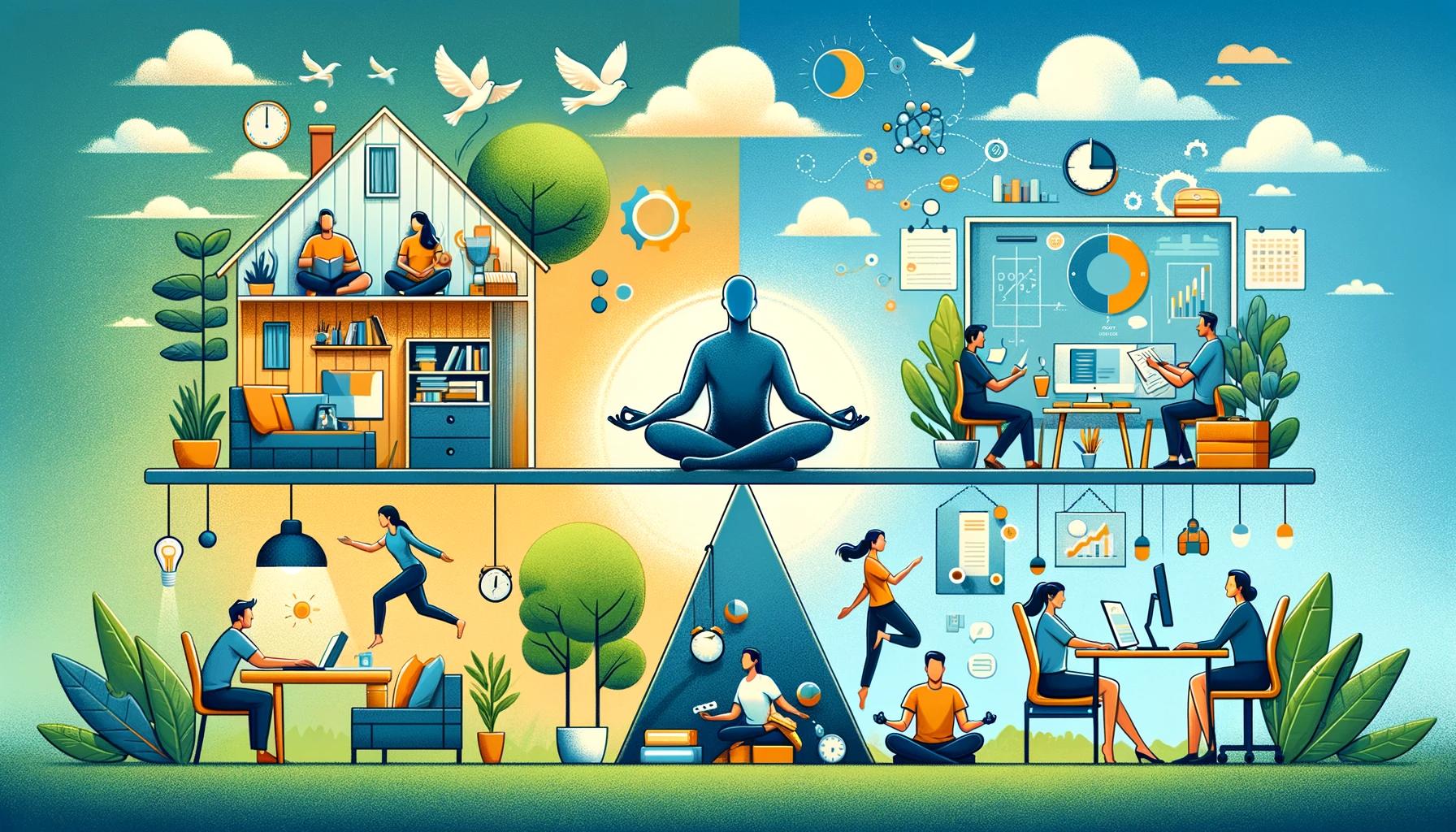
Balance sounds wonderful in theory.
Work hard.
Exercise regularly.
Eat well.
Spend time with friends.
Keep your home organized.
Get enough sleep.
Make time for hobbies.
Take vacations.
And somehow have enough energy left over to enjoy all of it.
The problem is that real life doesn't always cooperate.
Some weeks are busy.
Some weeks are stressful.
Sometimes work takes priority.
Sometimes family needs more attention.
Sometimes you simply need to rest.
A balanced lifestyle isn't about giving every part of your life exactly the same amount of attention every day.
It's about making sure that, over time, the important areas of your life aren't completely neglected.


1. Decide What Actually Matters


Before changing your routine, decide what you want more of.
Maybe it's:
- More time with family
- Better sleep
- More exercise
- Less screen time
- More time for hobbies
- Better financial habits
- More travel
- Less household stress
You don't need ten goals.
Choose two or three priorities.
When everything is important, nothing gets enough attention.
2. Stop Filling Every Empty Space
One reason modern schedules become overwhelming is that every available space gets filled.
If you have an hour free, you find something to do.
If your weekend is empty, you make plans.
If you're waiting for something, you check your phone.
Try leaving some space in your schedule.
An empty evening isn't necessarily a problem.
Sometimes it's exactly what you need.
Free time allows you to recover from the demands of the rest of your life.
3. Create a Weekly Reset


Choose one day each week to reset.
It doesn't need to become a four-hour productivity session.
Spend 30–60 minutes doing a few useful things.
Check your calendar.
Plan a few meals.
Do laundry.
Tidy your home.
Review upcoming commitments.
Make a short shopping list.
Think about the week ahead.
This small reset can make the next several days feel much more manageable.
4. Build Movement Into Your Day
You don't need to spend two hours at the gym to be more active.
Look for opportunities to move naturally.
Walk while making phone calls.
Take the stairs when practical.
Go for a short evening walk.
Stretch during work breaks.
Do household chores.
Take a longer route when walking somewhere.
Formal exercise can be valuable, but movement doesn't have to happen exclusively during a workout.
5. Make Healthy Choices Convenient


Your environment influences your choices.
If healthy food is easy to access, you're more likely to eat it.
If your walking shoes are beside the door, you're more likely to go for a walk.
If your water bottle is on your desk, you're more likely to drink water.
Don't rely entirely on willpower.
Make the behavior you want to repeat the easiest option available.
6. Create Boundaries Around Work
For people working from home, this can be especially difficult.
When your laptop is always nearby, work can slowly expand into every part of the day.
Create a clear end to your workday.
Close your laptop.
Leave your workspace.
Change clothes.
Go for a walk.
Start your evening routine.
The specific signal doesn't matter.
Your brain needs a transition between professional time and personal time.
7. Protect Your Sleep


Sleep often becomes the first thing people sacrifice when life gets busy.
But constantly running on insufficient sleep makes everything else harder.
Try keeping a reasonably consistent sleep schedule.
Create a comfortable bedroom.
Reduce unnecessary distractions before bed.
Give yourself enough time to wind down.
And don't treat sleep as something you earn after finishing everything else.
There will always be another task.
8. Make Room for Relationships
Balance isn't only about personal routines.
Relationships need time too.
Schedule regular dinners.
Call family members.
Meet friends.
Plan activities together.
Even a short conversation can be meaningful when you're fully present.
If you're constantly busy but rarely have time for the people you care about, your schedule may need adjusting.
9. Have a Digital Boundaries Day


You don't necessarily need to delete every social media app.
Instead, experiment with boundaries.
Turn off unnecessary notifications.
Keep your phone away during meals.
Avoid checking it immediately after waking.
Create a screen-free period before bed.
Try spending part of one weekend day without constantly checking notifications.
The goal isn't to reject technology.
It's to make sure technology doesn't automatically control your attention.
10. Stop Comparing Your Routine to Other People's
Social media makes it easy to compare lifestyles.
Someone appears to wake up early, exercise, meditate, cook every meal, work eight hours, read three books, travel frequently, and still have time for an elaborate evening routine.
Real life is rarely that polished.
Your ideal lifestyle should fit your circumstances.
You don't need someone else's routine.
You need a routine that works for you.
11. Accept Seasonal Balance


Your priorities will change throughout the year.
There may be periods when work requires more attention.
There may be times when family becomes the priority.
Sometimes you'll travel.
Sometimes you'll want to focus on your health.
Sometimes you'll simply need to rest.
Don't expect perfect balance every single day.
Think about balance over weeks and months, not individual days.
12. Keep Your Routine Flexible
A good routine should support your life.
It shouldn't become another source of stress.
If you normally exercise in the morning but have an early appointment, move the workout.
If you planned to cook but had a long day, make something simple.
If you intended to clean the whole house but you're exhausted, clean one room.
Flexibility makes habits sustainable.
A Simple Balanced Lifestyle Framework
If you don't know where to start, focus on five areas:
Health
Sleep, movement, food, and basic self-care.
Work
Clear priorities and reasonable boundaries.
Relationships
Regular time with people who matter.
Environment
A home that feels functional and comfortable.
Enjoyment
Hobbies, entertainment, travel, creativity, and genuine downtime.
You don't need to maximize all five every day.
Just make sure none of them disappear from your life completely.
Final Thought
A balanced lifestyle isn't a perfectly organized schedule where every hour is productive.
It's having enough structure to manage your responsibilities while leaving enough flexibility to actually live.
Some days will be productive.
Some days will be social.
Some days will be messy.
Some days will be almost entirely about rest.
That's normal.
Instead of trying to create a perfect routine, build a lifestyle that can bend without breaking.
Because the best routine isn't the one that looks impressive on paper.
It's the one that still works when real life happens. 🌿✨