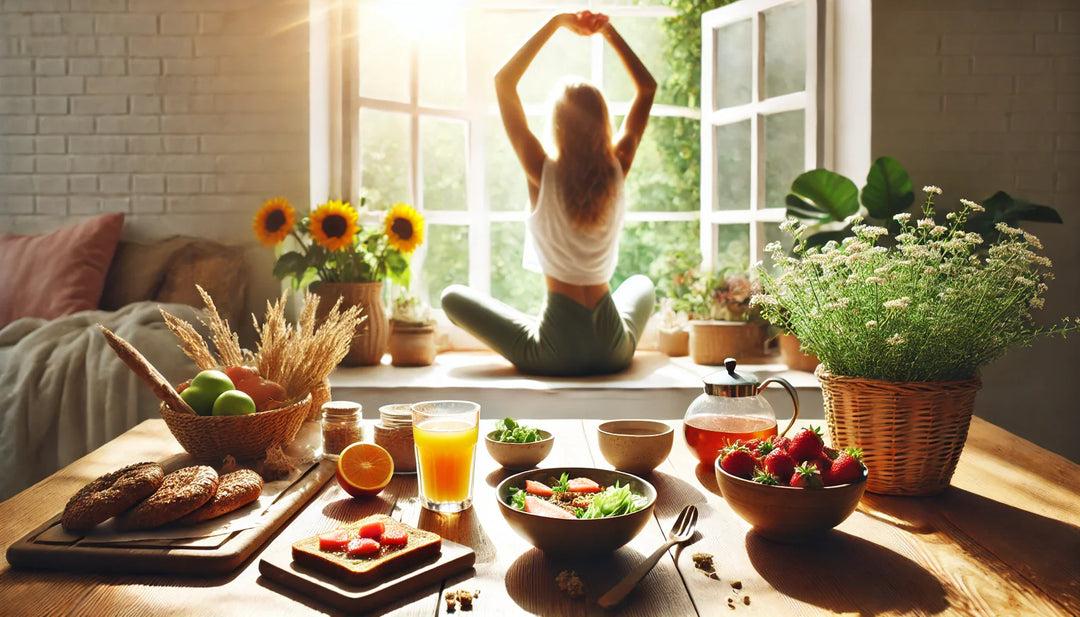
Simple Wellness Habits That Can Make Your Everyday Life Better

Taking care of your health doesn't have to mean following a complicated routine, spending hours at the gym, or completely changing the way you live.
In fact, some of the most useful wellness habits are surprisingly simple.
Getting enough sleep, eating balanced meals, moving regularly, drinking enough water, spending time outside, and making room for relaxation can all contribute to a healthier lifestyle. The important part is finding habits that fit naturally into your everyday routine.
The biggest mistake people often make is trying to change everything at once. A new diet, intense workout plan, early morning routine, meditation schedule, and digital detox might sound great, but maintaining all of them can quickly become overwhelming.
Instead, focus on small changes that you can repeat.
Here are some practical wellness habits that can help you feel healthier, more comfortable, and more balanced every day.
1. Start With Better Sleep


Sleep is one of the foundations of everyday wellness, but it's often the first thing people sacrifice when life becomes busy.
Late-night work, entertainment, social media, household responsibilities, and endless scrolling can all push bedtime later than planned.
Instead of trying to completely transform your sleep schedule overnight, start by creating a more consistent routine.
Try going to bed and waking up at roughly the same time each day when possible. Give yourself some time to wind down before bed, reduce unnecessary distractions, and make your bedroom comfortable for sleeping.
You might read a book, listen to relaxing music, prepare things for the next morning, or simply spend a few quiet minutes away from your phone.
You don't need an elaborate bedtime ritual.
The goal is to create a predictable transition between a busy day and rest.
If you regularly struggle with sleep or experience persistent sleep problems, consider discussing them with a qualified healthcare professional.
2. Move Your Body More
You don't need to become a serious athlete to become more active.
Movement can be incorporated into ordinary parts of your day.
Take a short walk after lunch.
Stretch between periods of sitting.
Walk while making a phone call.
Use the stairs when practical.
Spend some time gardening.
Clean your home.
Go for an evening walk around your neighborhood.
These activities may not feel like traditional workouts, but they help you spend less time sitting.
If you enjoy structured exercise, there are plenty of options to explore. Walking, cycling, swimming, dancing, yoga, running, and strength training can all become part of an active lifestyle.
The best form of exercise is usually one that you actually enjoy.
If you dislike a particular workout, you are less likely to continue doing it.


3. Make Healthy Food Easier
Healthy eating doesn't have to mean complicated meal plans or strict rules.
Instead, focus on creating balanced meals using foods you enjoy.
Try including a variety of vegetables and fruits, whole grains or other carbohydrate sources, and protein-rich foods. Depending on your preferences, protein can come from foods such as eggs, beans, lentils, fish, dairy products, tofu, chicken, or other options.
Healthy fats from foods such as nuts, seeds, avocado, and olive oil can also be included as part of a balanced diet.
One useful strategy is to make healthy choices convenient.
Keep fruit where you can easily see it.
Prepare simple ingredients ahead of time.
Keep nutritious snacks available.
Learn a handful of easy meals that you can prepare when you're busy.
You don't need every meal to be perfect.
Your overall eating pattern matters more than one individual meal.
4. Drink More Water
Staying hydrated can be surprisingly difficult when you're busy.
You may spend several hours working or running errands before realizing that you haven't had much to drink.
Keeping a reusable bottle nearby can make a difference.
Put one on your desk.
Carry one when you leave the house.
Keep one in your bag when traveling.
You can also make water more enjoyable by adding lemon, cucumber, mint, or fruit if you like the taste.
Your hydration needs can vary depending on factors such as your activity level, environment, diet, and individual circumstances. Rather than obsessing over one universal number, make regular hydration a normal part of your day.
5. Spend Time Outdoors


Spending time outside is an easy way to change your environment and break up long periods indoors.
You don't need to plan a major outdoor adventure.
Walk around your neighborhood.
Visit a nearby park.
Sit outside with your morning coffee.
Take a short walk after dinner.
Go for a weekend hike if you enjoy hiking.
Even a short outdoor break can provide a useful change of pace, particularly if you spend much of your day working at a desk or using screens.
If you're spending time outdoors in strong sunlight, remember to use appropriate sun protection.
6. Take Regular Screen Breaks
Screens are part of almost every modern lifestyle.
We use them for work, communication, shopping, entertainment, travel, and education.
The goal isn't necessarily to eliminate them.
Instead, create boundaries that give your attention a chance to reset.
Try eating some meals without your phone.
Stand up regularly during long periods of computer work.
Look away from your screen periodically.
Keep your phone away during conversations.
Create a screen-free period before bed if it helps you relax.
You may be surprised by how much calmer a short break from constant notifications can feel.


7. Find Healthy Ways to Manage Stress
Stress is a normal part of life.
The goal isn't to eliminate every stressful situation, because that's impossible.
Instead, develop ways to respond to stress that help you recover.
For some people, exercise works well.
Others prefer reading, cooking, gardening, journaling, listening to music, spending time with friends, or practicing relaxation techniques.
Even a few quiet minutes can make a difference when your day feels overwhelming.
Experiment with different activities and notice what actually helps you feel calmer.
If stress becomes persistent, overwhelming, or begins affecting your ability to function normally, consider talking with a qualified healthcare or mental health professional.
8. Make Time for Relationships
Wellness isn't only about physical habits.
Social connection is an important part of a balanced life.
Make an effort to stay connected with people who matter to you.
Call a family member.
Meet a friend for coffee.
Have dinner together.
Take a walk with someone.
Plan a simple weekend activity.
You don't need a huge social circle or a packed calendar.
A few meaningful relationships can provide companionship, encouragement, and a sense of connection.
When life gets busy, social time is often one of the first things people remove from their schedules.
Try not to let it disappear completely.
9. Create a Weekly Wellness Reset


Instead of trying to make every day perfect, create a simple weekly reset.
Choose a convenient day and spend 30–60 minutes preparing for the week ahead.
You could:
- Plan a few meals
- Buy groceries
- Wash workout clothes
- Organize your bedroom
- Review your calendar
- Plan some outdoor time
- Schedule an activity you enjoy
This doesn't need to become another demanding productivity exercise.
The purpose is simply to make healthy choices easier during the week.
A little preparation can remove some of the decisions that make healthy habits difficult to maintain.
10. Don't Try to Change Everything at Once
One of the biggest wellness mistakes is starting too aggressively.
You decide to completely change your diet, exercise every day, wake up before sunrise, meditate for 30 minutes, stop using social media, and follow a strict bedtime routine—all on Monday morning.
By the following week, you're exhausted.
Instead, choose one or two habits.
Maybe start with a 20-minute daily walk.
Or prepare one extra home-cooked meal each week.
Or go to bed 30 minutes earlier.
Once that habit becomes normal, add another.
Small changes may not feel dramatic, but they are much easier to maintain.
11. Give Yourself Room for Imperfect Days
A healthy lifestyle doesn't require perfection.
There will be days when you don't exercise.
There will be meals that aren't particularly nutritious.
There will be nights when you stay up later than planned.
There will be weeks when your schedule becomes chaotic.
That's normal.
One difficult day doesn't erase the habits you've built.
Avoid the all-or-nothing mindset.
If you miss a workout, return to your normal routine the next day.
If you eat a heavier meal, simply continue with your usual eating pattern afterward.
Consistency over time is more useful than trying to be perfect every day.
12. Listen to Your Body
Wellness shouldn't mean constantly pushing yourself.
Pay attention to how you feel.
Persistent tiredness, ongoing pain, unusual shortness of breath, dizziness, or other changes that don't feel normal for you shouldn't automatically be dismissed as something you can fix with another lifestyle trend.
Lifestyle habits can support general well-being, but they aren't a substitute for professional medical care.
If you have persistent or concerning symptoms, seek appropriate medical advice.
Final Thought
Building a healthier lifestyle doesn't have to involve a dramatic transformation.
Start with the basics.
Get enough rest.
Move regularly.
Eat a variety of nutritious foods.
Stay hydrated.
Spend some time outdoors.
Take breaks from screens.
Make time for people you care about.
And give yourself permission to rest when you need it.
The most effective wellness habits are usually the ones that fit naturally into your life.
You don't need to follow every health trend or completely reinvent your routine.
Start with one small change, make it manageable, and give yourself time to build from there.
A healthier lifestyle isn't about being perfect. It's about making everyday choices that help you feel better, live more comfortably, and take better care of yourself over time.