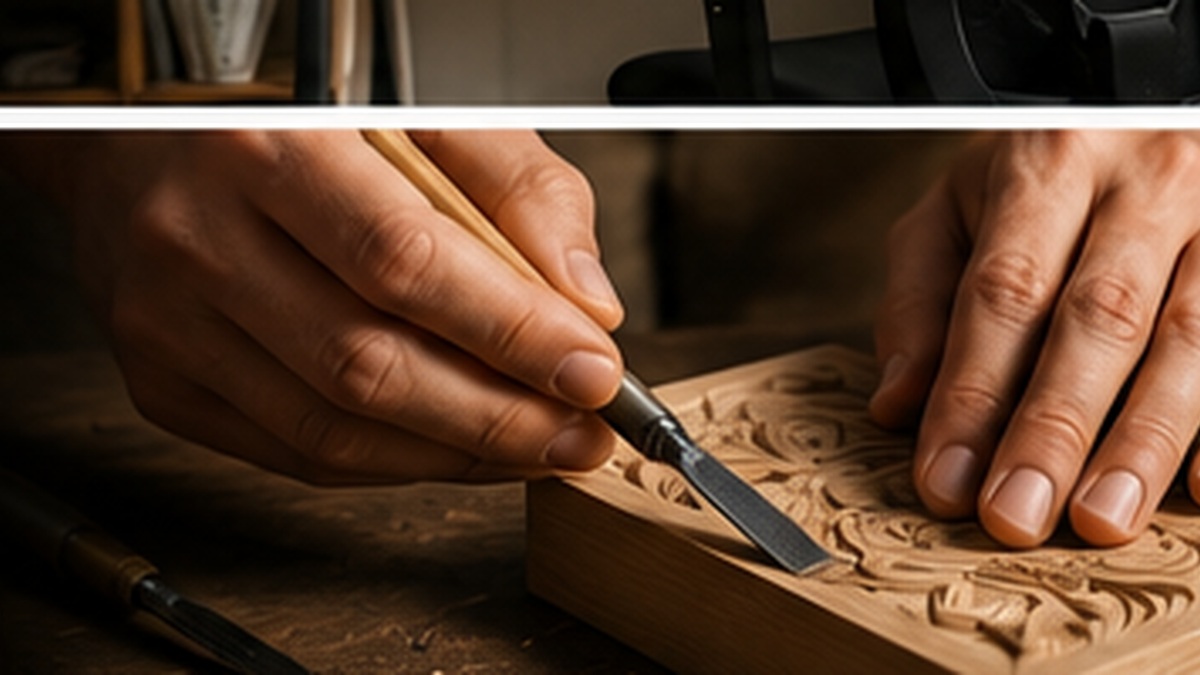
Simple DIY Storage Ideas for Small Spaces

DIY does not have to mean complicated tools or ambitious renovations. Small projects can refresh a room, solve an everyday problem, or provide a relaxing creative activity.
Simple DIY Storage Ideas for Small Spaces does not require a complete lifestyle overhaul. The most useful approach is to look at what you already do, identify the parts that create unnecessary effort, and make a few practical changes. Start small enough that the change still feels realistic on an ordinary day.
1. Look at Your Current Routine
Begin by looking at your current situation rather than an ideal version of it. Notice what already works, what repeatedly causes frustration, and where a little preparation could save time later. A practical plan should solve a real problem instead of creating another long list of rules. A useful system needs flexibility. Busy days, unexpected changes, bad weather, extra expenses, and low-energy moments are normal. Create an easier version of the routine for those situations. A backup option is often what keeps a good habit alive when the perfect plan is not possible.
2. Choose One Clear Priority
The easiest improvement to maintain is usually one that fits into something you already do. Attach the new habit to a familiar routine, keep useful items nearby, and make the first step simple. If a process requires too many decisions, it becomes harder to follow when you are tired or busy. Quality matters more than simply doing more. More products, more tasks, more features, or more activity are not automatically better. Ask what outcome you actually want and choose the simplest approach that gets you there. This keeps the routine practical and reduces unnecessary effort.
3. Prepare in Advance
Avoid trying to improve everything at once. Choose the parts that matter most and leave the rest alone for now. A smaller plan gives you room to learn what works, and once the basics feel natural you can add another improvement without making the whole routine overwhelming. Your environment can make a big difference. Put useful things where you can reach them, remove obvious distractions, and make the desired action visible. Good organization is not about perfection; it is about making everyday choices easier.
4. Keep Important Things Accessible
A useful system needs flexibility. Busy days, unexpected changes, bad weather, extra expenses, and low-energy moments are normal. Create an easier version of the routine for those situations. A backup option is often what keeps a good habit alive when the perfect plan is not possible. Give yourself a simple way to review progress. Once a week, ask what worked, what felt difficult, and what should change. If something repeatedly fails, change the system rather than simply blaming yourself. A good routine should evolve with your circumstances.

5. Reduce Repeated Problems
Quality matters more than simply doing more. More products, more tasks, more features, or more activity are not automatically better. Ask what outcome you actually want and choose the simplest approach that gets you there. This keeps the routine practical and reduces unnecessary effort. Finally, remember that consistency matters more than perfection. Missing a day or changing your plan does not erase your progress. Return to the routine when you can and keep the next step manageable. Sustainable improvement comes from repeating useful actions over time.
6. Give Yourself a Backup Plan
Your environment can make a big difference. Put useful things where you can reach them, remove obvious distractions, and make the desired action visible. Good organization is not about perfection; it is about making everyday choices easier. Begin by looking at your current situation rather than an ideal version of it. Notice what already works, what repeatedly causes frustration, and where a little preparation could save time later. A practical plan should solve a real problem instead of creating another long list of rules.
7. Review Progress Regularly
Give yourself a simple way to review progress. Once a week, ask what worked, what felt difficult, and what should change. If something repeatedly fails, change the system rather than simply blaming yourself. A good routine should evolve with your circumstances. The easiest improvement to maintain is usually one that fits into something you already do. Attach the new habit to a familiar routine, keep useful items nearby, and make the first step simple. If a process requires too many decisions, it becomes harder to follow when you are tired or busy.
8. Focus on Consistency
Finally, remember that consistency matters more than perfection. Missing a day or changing your plan does not erase your progress. Return to the routine when you can and keep the next step manageable. Sustainable improvement comes from repeating useful actions over time. Avoid trying to improve everything at once. Choose the parts that matter most and leave the rest alone for now. A smaller plan gives you room to learn what works, and once the basics feel natural you can add another improvement without making the whole routine overwhelming.
Final Thought
Simple DIY Storage Ideas for Small Spaces is ultimately about making everyday decisions easier and more intentional. You do not need a dramatic transformation. Choose one practical improvement, make it convenient, and give yourself time to build the habit. If something makes your life easier, keep it. If it creates more work than value, simplify it. The best routine is the one that still works when real life gets busy.